

Hey there! As a supplier of layer blankets, I often get asked about the weight of these cozy essentials. It's a crucial factor that can significantly impact your comfort and the functionality of the blanket. So, let's dive right in and explore what the weight of a layer blanket really means.
Why Weight Matters
First off, the weight of a layer blanket plays a key role in how warm it keeps you. Heavier blankets generally offer more insulation, making them perfect for cold winter nights. On the other hand, lighter blankets are great for milder temperatures or if you tend to run hot while sleeping. The weight also affects the blanket's drape and feel. A heavier blanket might feel more substantial and grounding, while a lighter one could be more airy and breathable.
Factors Affecting Blanket Weight
There are several factors that contribute to the weight of a layer blanket. The material is one of the most significant. For example, wool blankets are typically heavier than cotton ones because wool fibers are denser and have more bulk. Synthetic materials like polyester can vary in weight depending on their construction. A thick, plush polyester fleece blanket might be heavier than a thin, lightweight cotton blanket.
The size of the blanket also matters. Obviously, a king - sized blanket will weigh more than a twin - sized one, even if they're made of the same material. The density of the fabric, which is often measured in grams per square meter (GSM), also affects the weight. A higher GSM means a denser, heavier fabric.
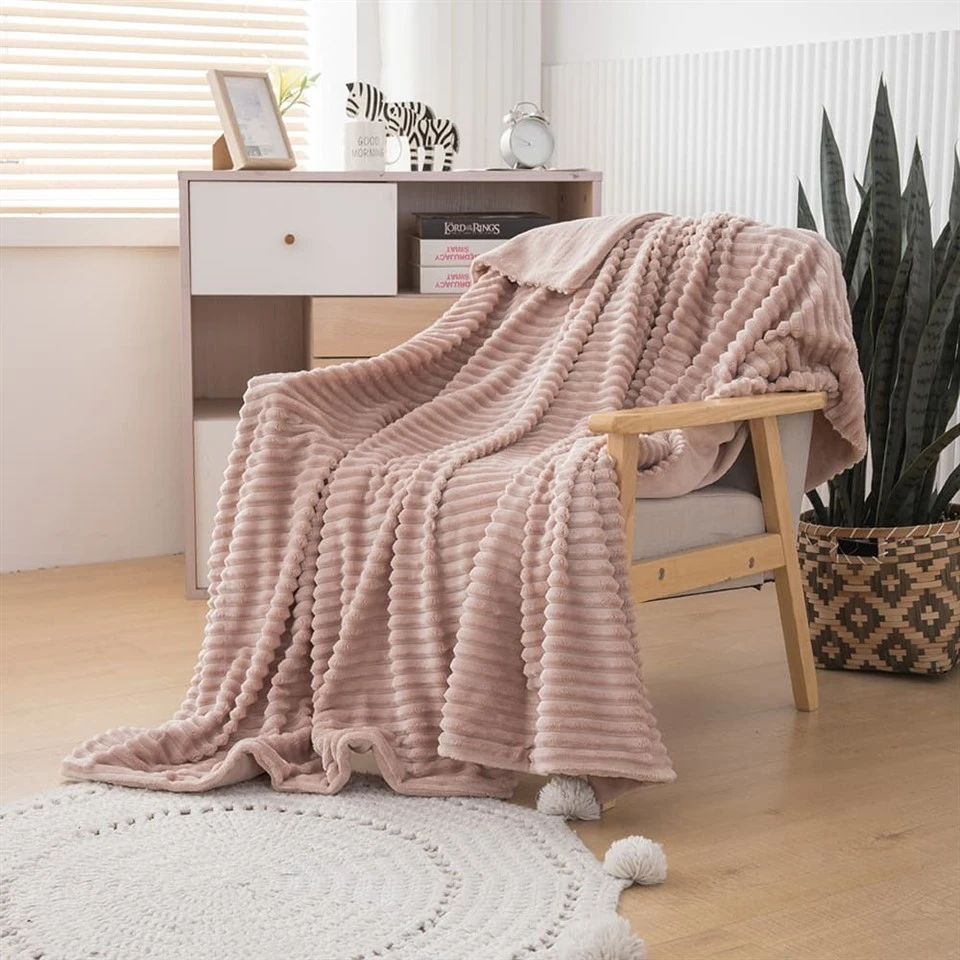
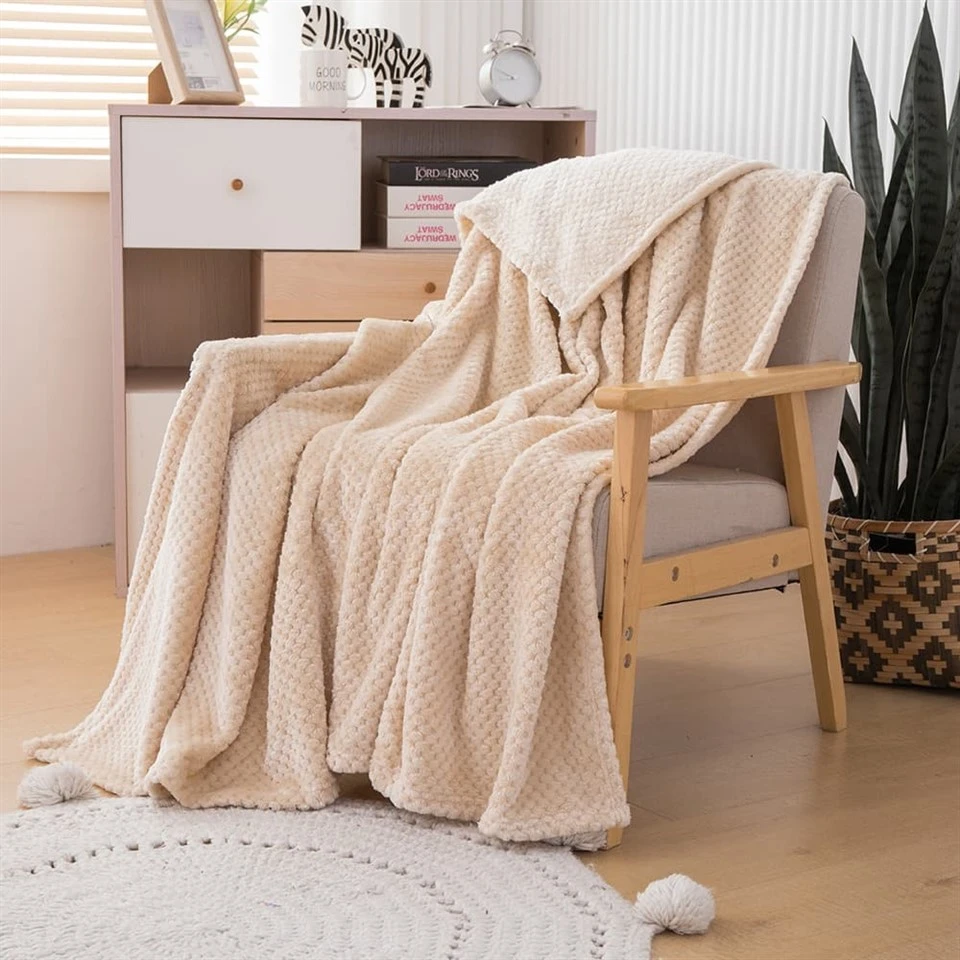
Common Types of Layer Blankets and Their Weights
Let's take a look at some common types of layer blankets I supply and their typical weights.
Printed Flannel Blanket
Printed flannel blankets are a popular choice. Flannel is a soft, warm fabric usually made from cotton or a cotton - synthetic blend. A twin - sized Printed Flannel Blanket typically weighs around 1.5 to 2 kilograms. This weight makes it a great option for a single bed or for use as an extra layer on a larger bed. Queen and king - sized printed flannel blankets can weigh anywhere from 2.5 to 3.5 kilograms, providing ample warmth and coverage.
Jacquard Flannel Blanket
Jacquard flannel blankets are known for their intricate patterns and designs. These blankets are often a bit heavier than regular printed flannel because of the more complex weaving process. A twin - sized Jacquard Flannel Blanket might weigh around 2 to 2.5 kilograms. Queen and king - sized versions can tip the scales at 3 to 4 kilograms. The added weight gives these blankets a luxurious feel and excellent insulation properties.
Flannel Fleece Blanket
Flannel fleece blankets combine the softness of flannel with the warmth of fleece. They're lightweight yet insulating. A twin - sized Flannel Fleece Blanket usually weighs between 1 and 1.5 kilograms. Queen and king - sized flannel fleece blankets typically weigh 1.5 to 2.5 kilograms. This makes them a great choice for people who want a warm blanket without the extra bulk.
Choosing the Right Weight for You
So, how do you decide which weight of layer blanket is right for you? It depends on a few things. If you live in a cold climate, a heavier blanket like a jacquard flannel might be your best bet. It'll keep you warm and toasty on those frigid winter nights. But if you live in a milder climate or you get hot easily while sleeping, a lighter flannel fleece or printed flannel blanket could be more suitable.
Think about how you'll use the blanket, too. If you're using it as a top layer on your bed, you might want a lighter weight so it doesn't feel too cumbersome. But if you're using it as an extra layer under your comforter, a heavier blanket can add an extra level of warmth.
How to Measure Blanket Weight
If you're curious about the weight of a specific blanket, you can easily measure it at home. All you need is a scale. Just place the blanket on the scale and note the weight. Make sure the scale is set to the appropriate unit (kilograms or pounds). Keep in mind that the weight might vary slightly depending on whether the blanket is dry or damp, so try to measure it when it's completely dry.
The Impact of Weight on Quality and Durability
In general, a heavier blanket can be a sign of better quality and durability. Heavier fabrics often use more material and are more tightly woven, which means they're less likely to wear out quickly. However, this isn't always the case. A well - made lightweight blanket can also be very durable if it's made from high - quality materials.
When choosing a layer blanket, it's important to consider both the weight and the quality of the material. Look for blankets made from natural fibers like cotton or wool, as these tend to be more breathable and long - lasting. Check the stitching and seams to make sure they're strong and well - constructed.
Conclusion
The weight of a layer blanket is an important factor to consider when choosing the right one for you. Whether you prefer a heavy, insulating blanket or a light, breathable one, there's a layer blanket out there to meet your needs. As a layer blanket supplier, I offer a wide range of options in different weights and materials, so you can find the perfect blanket for your home.
If you're interested in purchasing layer blankets for your business or personal use, I'd love to chat with you. We can discuss your specific requirements and help you choose the right blankets for your situation. Feel free to reach out to start the procurement process.
References
- Textile industry standards and materials data sheets
- Customer feedback and usage experiences