

Air layer fabric has revolutionized the textile industry, particularly in terms of enhancing comfort. As a leading air layer fabric supplier, we've witnessed firsthand how this innovative material has transformed the way people experience clothing, bedding, and various other textile products. In this blog post, we'll delve into the science behind air layer fabric and explore how it contributes to a more comfortable lifestyle.
The Structure of Air Layer Fabric
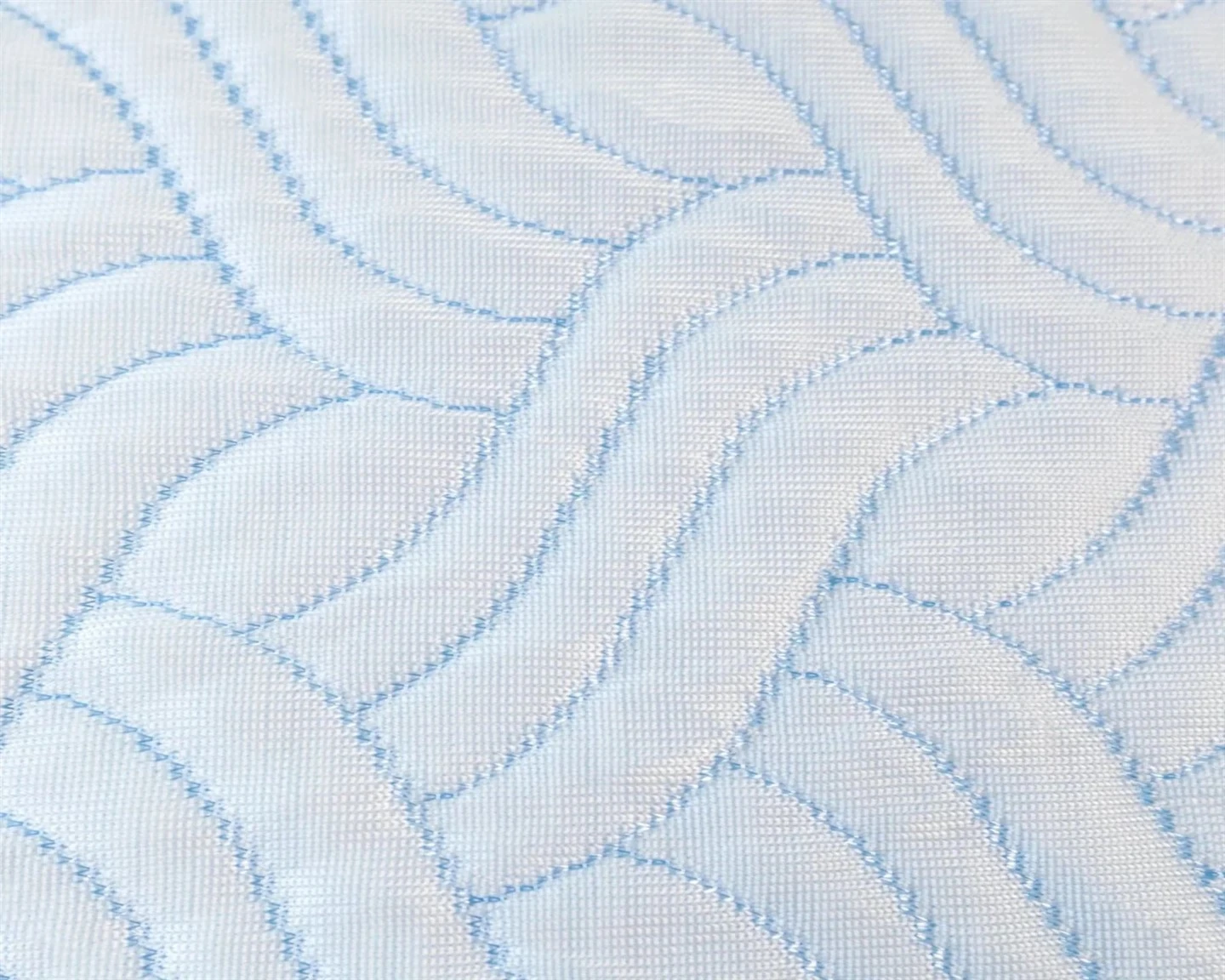
Air layer fabric is characterized by its unique multi - layer structure. It typically consists of two or more layers of fabric that are bonded together, with a layer of air trapped in between. This air layer serves as a natural insulator, providing several benefits that directly impact comfort.
The outer layers of the air layer fabric can be made from a variety of materials, each with its own set of properties. For instance, our Pe Laminated Fabric combines the durability of polyethylene with the softness of fabric. Polyethylene is a synthetic polymer known for its toughness and resistance to moisture, which adds an extra layer of protection to the air layer fabric.
On the other hand, Lyocell Jacquard Fabric uses lyocell, a semi - synthetic fiber made from wood pulp. Lyocell is renowned for its absorbency, breathability, and soft feel against the skin. When used in air layer fabric, it allows the body to breathe, preventing the build - up of sweat and heat, which greatly enhances comfort.
Thermal Regulation
One of the most significant ways air layer fabric enhances comfort is through effective thermal regulation. The trapped air layer acts as a buffer between the body and the external environment. In cold weather, this air layer helps to retain body heat, keeping the wearer warm and cozy. The insulation properties of air layer fabric are comparable to that of thick woolen garments, but without the bulkiness.
Conversely, in hot weather, the air layer fabric allows for better air circulation. The fabric's breathable structure enables heat and moisture to escape from the body, preventing overheating. This is especially beneficial for people who are engaged in physical activities or live in regions with high temperatures. Our Bamboo Jacquard Fabric, which is often used in air layer fabric construction, is particularly effective in this regard. Bamboo fibers are naturally breathable and have excellent moisture - wicking properties, making them ideal for hot and humid conditions.

Moisture Management
Moisture management is another crucial aspect of comfort, especially when it comes to clothing and bedding. Air layer fabric excels in this area due to its ability to absorb and dissipate moisture quickly. The fabric's structure allows sweat to be drawn away from the body and spread across a larger surface area, where it can evaporate more easily.
Copper Infused Fabric is a prime example of how air layer fabric can enhance moisture management. Copper is known for its antibacterial and moisture - wicking properties. When infused into the fabric, it not only helps to keep the body dry but also reduces the growth of odor - causing bacteria. This means that even after a long day of wear or activity, the fabric remains fresh and comfortable.
Softness and Skin - Friendliness
The comfort of a fabric is also determined by its softness and how it feels against the skin. Air layer fabric is often made from soft and gentle materials that are suitable for all skin types. The multi - layer structure further enhances the softness, as the layers work together to provide a cushioned and gentle touch.
Our Hdpe Laminated Fabric is made with high - density polyethylene, which is not only strong and durable but also has a smooth and soft surface. This makes it ideal for applications where skin contact is frequent, such as in baby clothing or underwear. The laminated layer also adds an extra level of protection without sacrificing the fabric's softness.
Durability and Long - Lasting Comfort
In addition to its immediate comfort benefits, air layer fabric is also known for its durability. The bonded layers of the fabric make it resistant to tearing and fraying, ensuring that it maintains its shape and quality over time. This means that products made from air layer fabric can provide long - lasting comfort, reducing the need for frequent replacements.
The durability of air layer fabric also makes it suitable for a wide range of applications. Whether it's used in outdoor gear, such as jackets and tents, or in indoor products like bedding and upholstery, air layer fabric can withstand the rigors of daily use while still providing a high level of comfort.
Applications of Air Layer Fabric
The versatility of air layer fabric has led to its widespread use in various industries. In the fashion industry, it is used to create comfortable and stylish clothing items, such as sweaters, jackets, and leggings. The fabric's ability to regulate temperature and manage moisture makes it a popular choice for athletes and active individuals.
In the home textile industry, air layer fabric is used in bedding, pillows, and curtains. Its softness and breathability ensure a good night's sleep, while its durability makes it a practical choice for long - term use.
Conclusion
In conclusion, air layer fabric enhances comfort in multiple ways. Its unique structure allows for effective thermal regulation, moisture management, and provides a soft and skin - friendly feel. The durability of the fabric ensures that these comfort benefits last for a long time.
If you're interested in exploring the benefits of air layer fabric for your products or projects, we invite you to contact us. As a trusted air layer fabric supplier, we can provide you with high - quality fabrics and expert advice tailored to your specific needs. Let's start a conversation about how air layer fabric can enhance the comfort and quality of your offerings.
References
- Textile Science and Technology: Fundamentals of Textile Engineering, by Subhash Anand
- Handbook of Technical Textiles, edited by A. R. Horrocks and S. C. Anand