

Cotton terry fabric is a well - known textile in various industries, and as a supplier of this fabric, I've witnessed its wide - ranging applications and the debates around its suitability for industrial use. In this blog, we'll delve into the characteristics of cotton terry fabric, its pros and cons in industrial settings, and explore whether it truly stands the test of industrial demands.
Understanding Cotton Terry Fabric
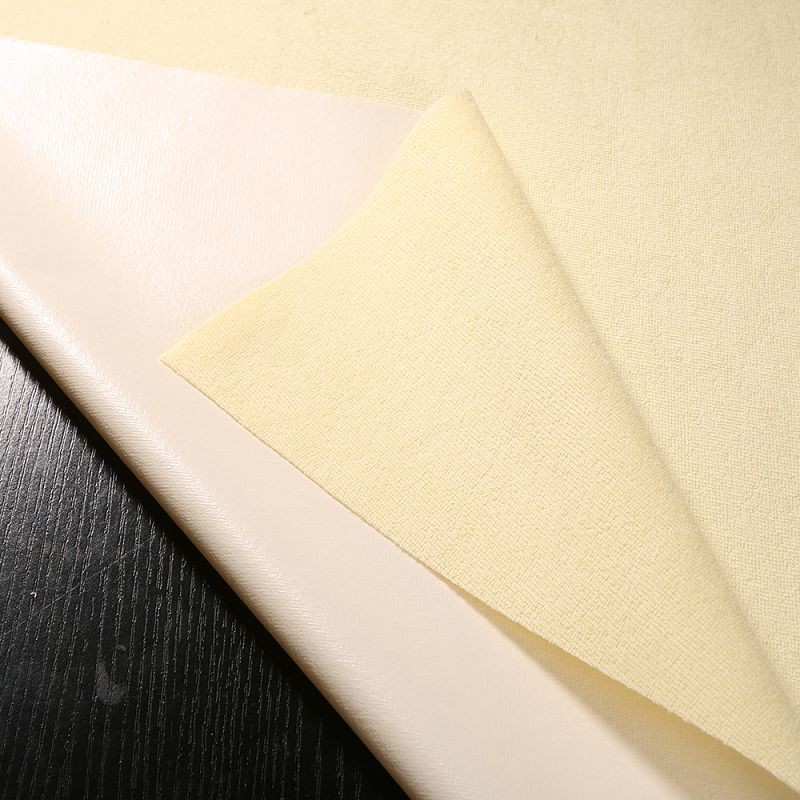
Cotton terry fabric is recognized for its looped surface on one or both sides. It is constructed primarily from natural cotton fibers, which gives it a soft touch, good absorbency, and breathability. The loops are formed during the weaving process, where extra yarns are allowed to protrude from the base fabric, creating a texture that's not only comfortable but also highly practical.
There are different types of cotton terry fabrics available. For instance, Bamboo Cotton Terry Fabric combines the benefits of cotton with the natural antibacterial and ultra - soft properties of bamboo. Polyester Terry Fabric, on the other hand, blends polyester with cotton, offering enhanced durability and quick - drying features. Striped Terry Cloth Fabric provides an aesthetically pleasing option with its characteristic stripes, while 100 Cotton Terry Towelling Fabric offers pure cotton luxury, known for its high absorbency.
Advantages of Cotton Terry Fabric for Industrial Use
Absorbency
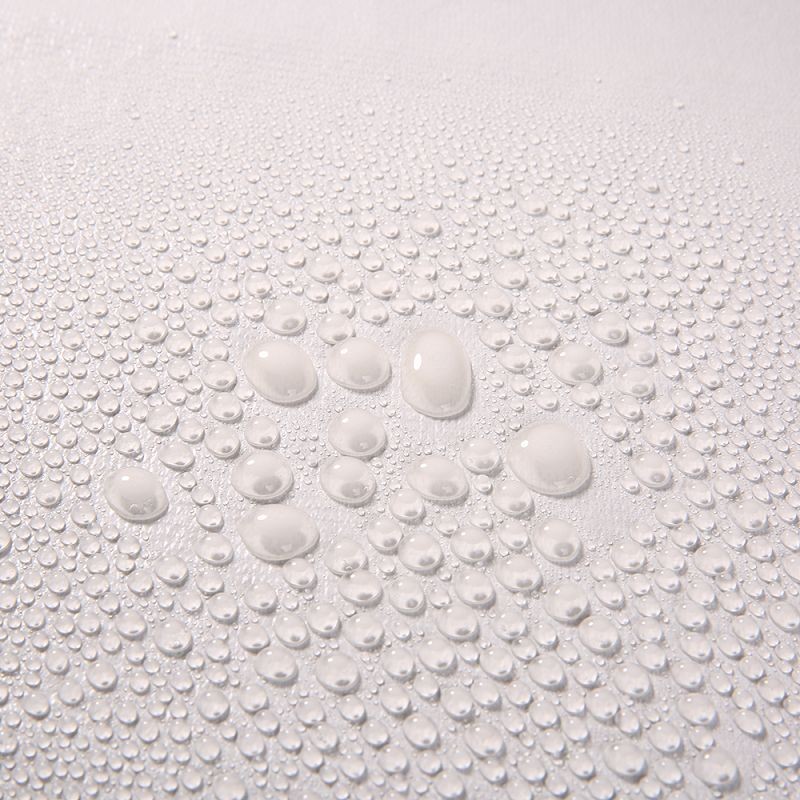
One of the most significant advantages of cotton terry fabric in industrial applications is its absorbency. In industries such as automotive, manufacturing, and food processing, spills are common. Cotton terry towels and wipes can quickly soak up liquids, whether it's oil in a garage, coolant in a factory, or water in a food preparation area. This quick - absorbing property helps in maintaining a clean and safe working environment, reducing the risk of slips and falls caused by wet floors.
Softness and Comfort
In industries where workers need to handle delicate items or where there's direct contact with the skin, such as in the healthcare and beauty sectors, the softness of cotton terry fabric is a major advantage. For example, in hospitals, cotton terry sheets and gowns are used because they are gentle on the patient's skin. In the beauty industry, cotton terry headbands and towels are used to provide comfort during treatments.
Breathability
Cotton is a natural fiber that allows air to circulate through the fabric, making it breathable. In industrial settings where workers are exposed to heat or engage in strenuous activities, breathable fabrics are essential. For instance, in the construction and manufacturing industries, workers often wear cotton terry - lined work gloves or aprons. The breathability of the fabric helps prevent sweating and discomfort, which can improve productivity and worker well - being.
Environmental Friendliness
As a natural fiber, cotton is biodegradable. In industries that are increasingly focused on sustainability, such as the textile and packaging industries, the use of cotton terry fabric can be a positive choice. It reduces the long - term environmental impact compared to some synthetic materials that take a long time to decompose.
Disadvantages of Cotton Terry Fabric for Industrial Use
Durability
While cotton is a strong fiber, cotton terry fabric may not be as durable as some synthetic alternatives in high - wear industrial environments. For example, in heavy - duty manufacturing or construction, where fabrics are exposed to rough handling, abrasion, and sharp objects, the loops of the terry fabric can easily snag or wear out. This may result in a shorter lifespan of the fabric, leading to more frequent replacements and increased costs.
Shrinkage and Color Fastness
Cotton terry fabric is prone to shrinkage when washed, especially if not properly cared for. In industrial laundering processes, where large - scale washing and drying are involved, maintaining the size and shape of the fabric can be a challenge. Additionally, color fastness can be an issue. In industries where color - coded items are used for organization or safety purposes, the fading of colors in cotton terry fabric over time can disrupt these systems.
Cost
Compared to some synthetic fabrics, cotton terry fabric can be relatively expensive. The cost of raw cotton, combined with the labor - intensive weaving process of creating the terry loops, contributes to a higher price point. In industries with tight budgets, this can be a significant deterrent to using cotton terry fabric.
Industrial Applications Where Cotton Terry Fabric Shines
Hospitality Industry
In the hospitality industry, cotton terry fabric is a staple. Hotels use cotton terry towels, bathrobes, and linens to provide a luxurious and comfortable experience for their guests. The softness, absorbency, and natural feel of cotton make it a preferred choice over synthetic materials. The aesthetic appeal of cotton terry products also adds to the overall ambiance of the establishment.
Healthcare Sector
As mentioned earlier, the softness and absorbency of cotton terry fabric make it ideal for use in the healthcare sector. From patient gowns to medical wipes, cotton terry fabric helps maintain a hygienic and comfortable environment. It is also less likely to cause allergic reactions compared to some synthetic materials, which is crucial when dealing with patients' sensitive skin.
Food Service Industry
In the food service industry, cotton terry towels are used for wiping countertops, hands, and spills. The natural absorbency of the fabric and its ability to be easily laundered make it a practical choice. Moreover, being a natural fiber, cotton is a safer option when it comes into contact with food.
Industrial Applications Where Caution is Needed
Heavy - Duty Manufacturing
In heavy - duty manufacturing, where machinery and equipment generate a lot of heat, friction, and abrasion, cotton terry fabric may not be the best choice. The fabric can easily get damaged by sharp edges or high - speed moving parts. Instead, more durable synthetic fabrics are often preferred.
Outdoor Construction
Outdoor construction sites expose fabrics to the elements, including rain, sun, and dirt. Cotton terry fabric may not hold up well under these harsh conditions. The fabric can become waterlogged, fade, and deteriorate quickly. Synthetic fabrics with better weather - resistance properties are more suitable in this context.
Conclusion
So, is cotton terry fabric suitable for industrial use? The answer is that it depends on the specific industrial application. In industries where absorbency, softness, and comfort are the top priorities, such as hospitality, healthcare, and food service, cotton terry fabric is an excellent choice. However, in high - wear and harsh environments, its limitations in terms of durability, shrinkage, and cost may make it less suitable.
As a cotton terry fabric supplier, I understand the unique needs of different industries. We offer a wide range of cotton terry fabric products, from the luxurious 100 Cotton Terry Towelling Fabric to the practical Bamboo Cotton Terry Fabric. If you're considering using cotton terry fabric in your industry, I encourage you to reach out for a detailed discussion. We can help you select the most appropriate fabric based on your specific requirements and budget.
References
- Textile Institute. "Handbook of Textile Fibres: Natural Fibres." Woodhead Publishing, 2011.
- American Association of Textile Chemists and Colorists. "Color Fastness Testing of Textiles." AATCC, 2020.
- International Labour Organization. "Occupational Safety and Health in the Textile Industry." ILO, 2018.