

As a seasoned supplier of cotton terry fabric, I understand the significance of color vibrancy in meeting customers' diverse needs. In the market, whether it's a Striped Terry Cloth Fabric, Bamboo Cotton Terry Fabric, 100 Cotton Terry Towelling Fabric, or Polyester Terry Fabric, color plays a pivotal role in attracting consumers. In this blog, I'll share some practical methods to make cotton terry fabric more color - vibrant based on my years of industry experience.
Understanding the Science Behind Color in Cotton Terry Fabric
Before delving into enhancement techniques, it's crucial to understand the factors that affect color vibrancy in cotton terry fabric. Cotton, a natural fiber, has unique properties that interact with dyes. Its porous structure allows it to absorb dyes well, but factors like fiber quality, dye type, and the dyeing process can significantly impact the final color outcome.
The quality of the cotton fibers matters a great deal. Higher - grade cotton with fewer impurities and a more uniform fiber structure can hold dyes more effectively. When the fibers are of better quality, the dye molecules can penetrate evenly, resulting in a more vivid and long - lasting color.
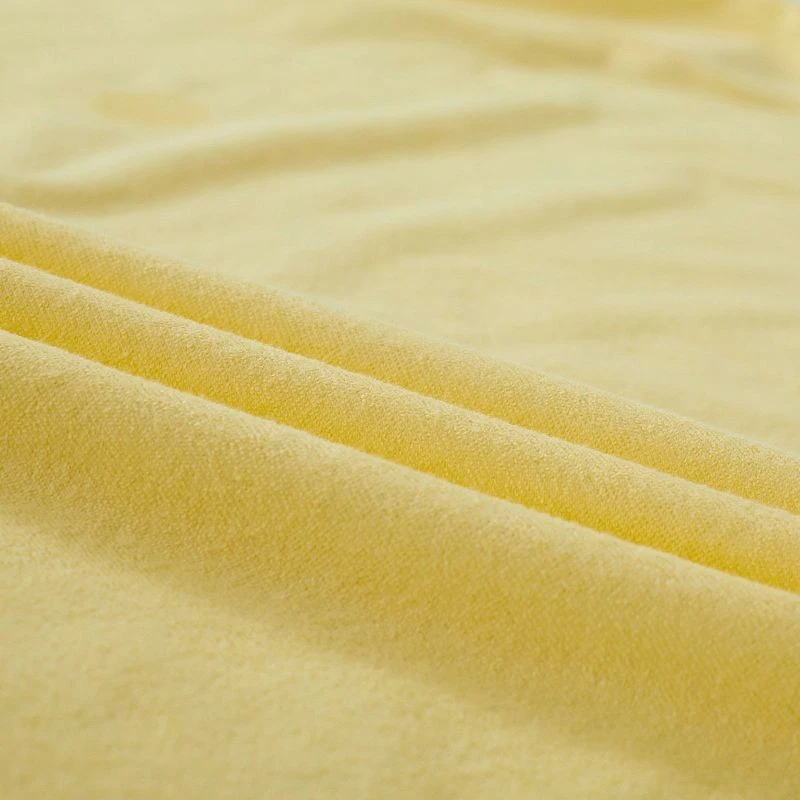
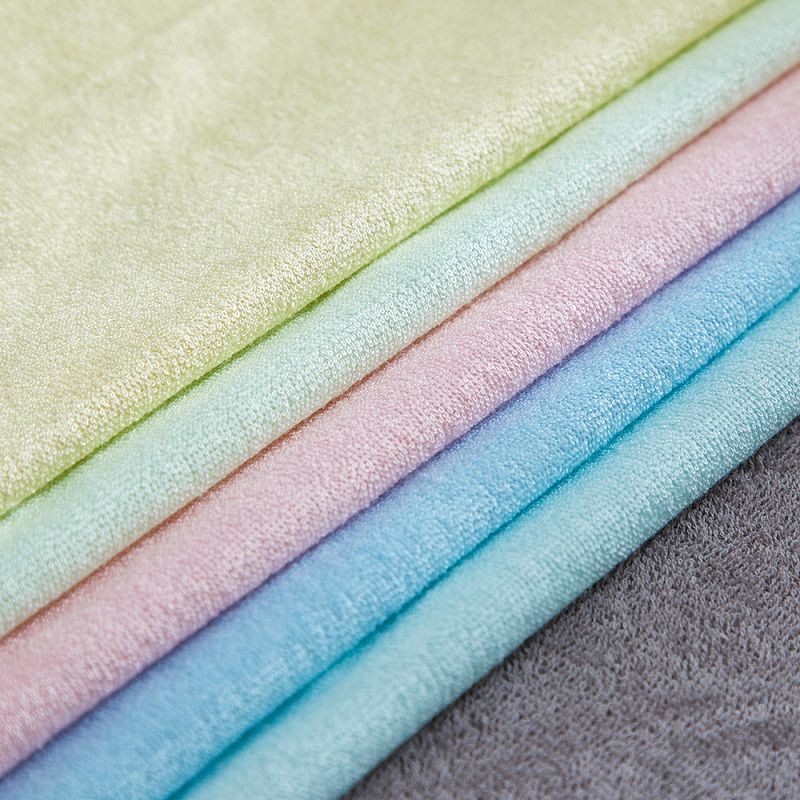
The type of dye used is another key factor. Reactive dyes, for example, form a chemical bond with the cotton fibers. This chemical reaction makes the color more resistant to fading and gives the fabric a bright and vibrant appearance. In contrast, direct dyes simply adhere to the surface of the fibers, which may lead to less colorfastness and a duller look over time.
Selecting the Right Dyes
As a supplier, I've seen firsthand the difference that high - quality dyes can make. Reactive dyes are my top recommendation for achieving color - vibrant cotton terry fabric. They are specifically designed to react with the hydroxyl groups in cotton fibers. This reaction creates a strong covalent bond, ensuring that the dye is firmly attached to the fabric.
When choosing reactive dyes, it's important to consider their color range and compatibility with the fabric. Some reactive dyes offer a wider spectrum of bright and vivid colors, allowing for more creative and eye - catching designs. Additionally, make sure the dyes are suitable for the specific type of cotton terry fabric you're working with, as different blends and finishes may require different dye formulations.
Another option is acid dyes, which are commonly used for dyeing cotton blends that contain synthetic fibers like polyester. Acid dyes work well in an acidic environment and can produce rich and vibrant colors on these blended fabrics. However, they may not be as effective on 100% cotton fabrics.
Optimizing the Dyeing Process
The dyeing process itself is a critical step in enhancing color vibrancy. First, proper pre - treatment of the fabric is essential. This includes scouring to remove any impurities, such as wax, oil, or dirt, from the fabric surface. These impurities can prevent the dye from bonding effectively with the fibers, resulting in uneven color and a less vibrant appearance.
During the dyeing process, controlling the temperature, pH level, and dye concentration is crucial. For reactive dyes, the dyeing temperature usually ranges from 60 - 90°C, depending on the specific dye type. A higher temperature can help the dye molecules penetrate the fibers more deeply, but it also needs to be carefully regulated to avoid damaging the fabric.
The pH level of the dye bath also affects the dye - fiber reaction. For reactive dyes, an alkaline environment is typically required to initiate the chemical bond formation. Maintaining the correct pH level throughout the dyeing process ensures that the reaction occurs efficiently, leading to better color uptake and vibrancy.
Dye concentration is another factor to consider. Using too little dye may result in a pale color, while using too much can lead to over - dyeing and uneven color distribution. It's important to follow the manufacturer's guidelines for the recommended dye concentration based on the fabric weight and the desired color intensity.
Post - Treating for Color Retention
After dyeing, post - treatment steps are necessary to enhance color vibrancy and ensure long - term colorfastness. One common post - treatment is washing the dyed fabric thoroughly to remove any excess dye and chemical residues. This helps to prevent color bleeding and fading during subsequent use.
Fixatives can also be applied to the dyed fabric. These chemicals bond with the dye molecules on the fabric surface, further enhancing their adhesion to the fibers. Fixatives can improve colorfastness to washing, light, and rubbing, ensuring that the fabric retains its vibrant color for a longer period.
Additionally, softeners can be used in the post - treatment process. Softeners not only make the fabric feel more comfortable but can also enhance the color appearance. They can give the fabric a smooth and shiny surface, which reflects light better and makes the color look more vivid.
Quality Control and Testing
As a supplier, I always emphasize the importance of quality control and testing. Before releasing the fabric to the market, it's essential to conduct various tests to ensure that the color vibrancy meets the required standards.
Colorfastness tests are crucial. These tests evaluate how well the fabric retains its color when exposed to different factors such as washing, light, and perspiration. For example, the ISO 105 series of standards provides a comprehensive set of test methods for colorfastness. By conducting these tests, we can identify any potential issues with color fading and take corrective measures.
Color matching is also an important aspect of quality control. Using a spectrophotometer, we can accurately measure the color of the fabric and compare it with the desired color standard. This ensures that the color of each batch of fabric is consistent and meets the customer's expectations.
Environmental Considerations
In today's market, environmental sustainability is a growing concern. When aiming to make cotton terry fabric more color - vibrant, it's important to consider the environmental impact of the dyes and processes used.
Many modern dyes are now formulated to be more environmentally friendly. For example, some reactive dyes are low in heavy metals and have a reduced environmental footprint. Additionally, there are more sustainable dyeing processes available, such as using water - saving techniques and reducing energy consumption.
As a responsible supplier, I'm committed to promoting sustainable practices in the production of cotton terry fabric. By choosing environmentally friendly dyes and processes, we can not only create color - vibrant fabrics but also contribute to a greener future.
Conclusion
Making cotton terry fabric more color - vibrant is a multi - faceted process that involves understanding the science behind color, selecting the right dyes, optimizing the dyeing and post - treatment processes, and implementing strict quality control. As a cotton terry fabric supplier, I'm dedicated to providing high - quality, color - vibrant fabrics that meet the diverse needs of our customers.
If you're interested in purchasing color - vibrant cotton terry fabric for your projects, whether it's for home textiles, apparel, or industrial use, I encourage you to reach out to me for a detailed discussion. We can work together to find the best solutions that suit your specific requirements. Let's create products with stunning colors that stand out in the market!
References
- Textile Dyeing and Finishing Handbook, Third Edition, by Christopher C. Cooke
- Color Chemistry: Synthesis, Properties, and Applications of Organic Dyes and Pigments, by Klaus Hunger