

Pet pee pads are an essential product for pet owners, offering a convenient and hygienic solution for indoor pet waste management. As a leading supplier of high-quality pet pee pads, I often get asked about how these pads work to absorb urine effectively. In this blog post, I'll delve into the science behind pet pee pad absorption, exploring the materials and technologies that make them so efficient.
The Basics of Absorption
At the heart of every pet pee pad is the principle of absorption. Absorption is the process by which a material takes in a liquid and holds it within its structure. In the case of pet pee pads, the goal is to quickly and effectively absorb urine, preventing it from leaking through to the floor and keeping the pet's environment clean and dry.
The key to successful absorption lies in the choice of materials used in the construction of the pee pad. Most pet pee pads are made up of several layers, each with a specific function designed to enhance absorption and containment.
Layers of a Pet Pee Pad
Top Layer
The top layer of a pet pee pad is typically made of a soft, porous material that is gentle on the pet's paws and allows urine to pass through easily. This layer is often designed to be quick-drying, preventing the pet from tracking urine around the house. Some common materials used for the top layer include non-woven fabrics and perforated films.
Absorbent Core
The absorbent core is the heart of the pet pee pad, responsible for holding the majority of the urine. This layer is usually made up of a combination of materials, such as fluff pulp and superabsorbent polymers (SAPs).
Fluff pulp is a soft, fibrous material made from wood pulp. It has a high absorbency capacity and can hold a significant amount of liquid. The fibers in the fluff pulp create a network of channels that allow urine to spread out and be absorbed quickly.
Superabsorbent polymers, on the other hand, are synthetic materials that can absorb and retain large amounts of liquid relative to their own weight. SAPs are typically made up of cross-linked polymers that can swell when they come into contact with urine, forming a gel-like substance that locks in the liquid and prevents it from leaking out.
The combination of fluff pulp and SAPs in the absorbent core provides a high level of absorbency and ensures that the pee pad can hold a large volume of urine without becoming saturated.
Bottom Layer
The bottom layer of a pet pee pad is designed to prevent urine from leaking through to the floor. This layer is usually made of a waterproof material, such as polyethylene film, which acts as a barrier to prevent liquid from seeping through.
How Absorption Works
When a pet urinates on a pee pad, the urine first comes into contact with the top layer. The porous nature of the top layer allows the urine to quickly pass through and reach the absorbent core.
Once the urine reaches the absorbent core, the fluff pulp and SAPs go to work. The fluff pulp absorbs the urine and spreads it out throughout the core, while the SAPs swell and form a gel-like substance that locks in the liquid. This process helps to prevent the urine from pooling in one area and ensures that the pee pad remains dry on the surface.
The bottom layer of the pee pad then acts as a barrier to prevent the urine from leaking through to the floor. The waterproof material stops the liquid from seeping out, keeping the surrounding area clean and dry.
Factors Affecting Absorption
While pet pee pads are designed to be highly absorbent, there are several factors that can affect their performance. These include:
Pad Size
The size of the pee pad can have a significant impact on its absorbency. Larger pads generally have a higher absorbency capacity because they have more surface area and can hold more urine. It's important to choose a pad size that is appropriate for your pet's size and needs.
Pad Thickness
Thicker pads typically have a higher absorbency capacity than thinner pads. This is because they have more layers of absorbent material, which can hold more urine. However, thicker pads may also be more expensive, so it's important to balance absorbency with cost.
Quality of Materials
The quality of the materials used in the construction of the pee pad can also affect its absorbency. High-quality materials, such as premium fluff pulp and SAPs, tend to have a higher absorbency capacity and provide better performance than lower-quality materials.
Frequency of Use
The frequency of use can also impact the absorbency of the pee pad. If the pad is used multiple times without being changed, it may become saturated and lose its effectiveness. It's important to change the pee pad regularly to ensure that it remains dry and clean.
Our Range of Pet Pee Pads
As a supplier of pet pee pads, we understand the importance of providing high-quality products that offer excellent absorption and performance. That's why we offer a wide range of pet pee pads to meet the needs of different pet owners.
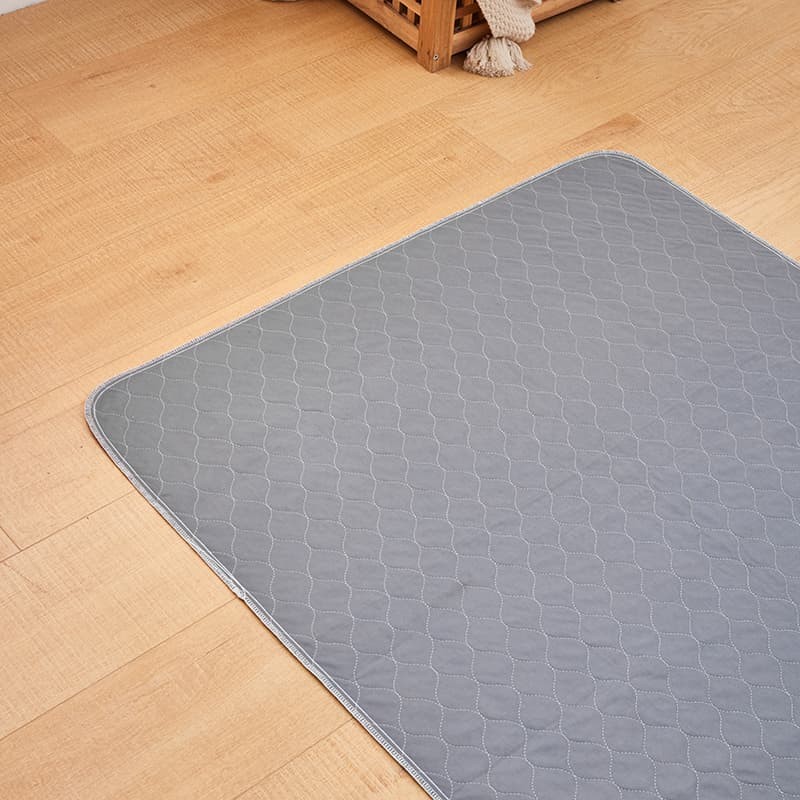
Our Printed Pet Urine Pads are not only functional but also stylish. They feature a variety of cute and colorful designs that can add a touch of personality to your pet's space.
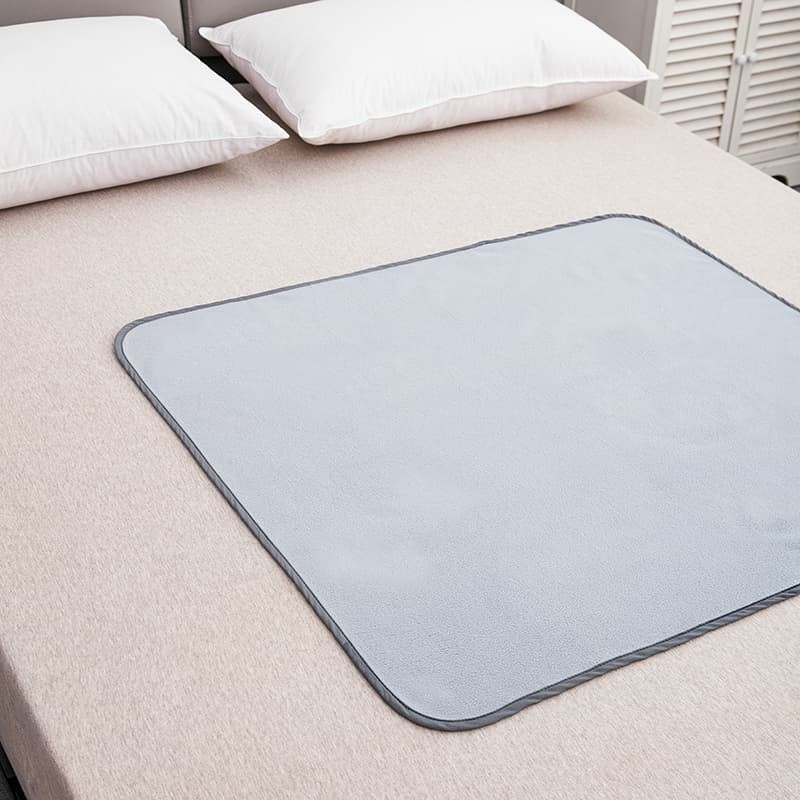
If you're looking for a more luxurious option, our Fleece Pet Urine Pads are a great choice. The soft fleece material is gentle on your pet's paws and provides a comfortable surface for them to use.
For those who prefer a more traditional look, our Plain-Colored Pet Pen Plush Urine Pad offer a simple and practical solution. They are available in a variety of colors to match your decor.
And if you're looking for a durable and absorbent option for your dog, our Birdseye Fabric Dog Pee Pad are the perfect choice. The birdseye fabric is strong and resistant to tearing, making it ideal for active dogs.
Contact Us for Purchasing
If you're interested in purchasing our high-quality pet pee pads, we'd love to hear from you. Whether you're a pet store owner looking to stock our products or an individual pet owner in need of a reliable solution for your furry friend, we're here to help. Our team is dedicated to providing excellent customer service and ensuring that you find the right pet pee pads for your needs.
Just reach out to us and start a conversation about your requirements. We'll be happy to discuss product details, pricing, and any other questions you may have. Let's work together to keep your pets' living spaces clean and comfortable.
References
- "Absorbent Materials for Hygiene Products" by the Nonwovens Institute
- "Superabsorbent Polymers: Science and Technology" by Fredric L. Buchholz and Andrew T. Graham
- "Pet Product Trends: The Growing Market for Pet Pee Pads" by the American Pet Products Association