

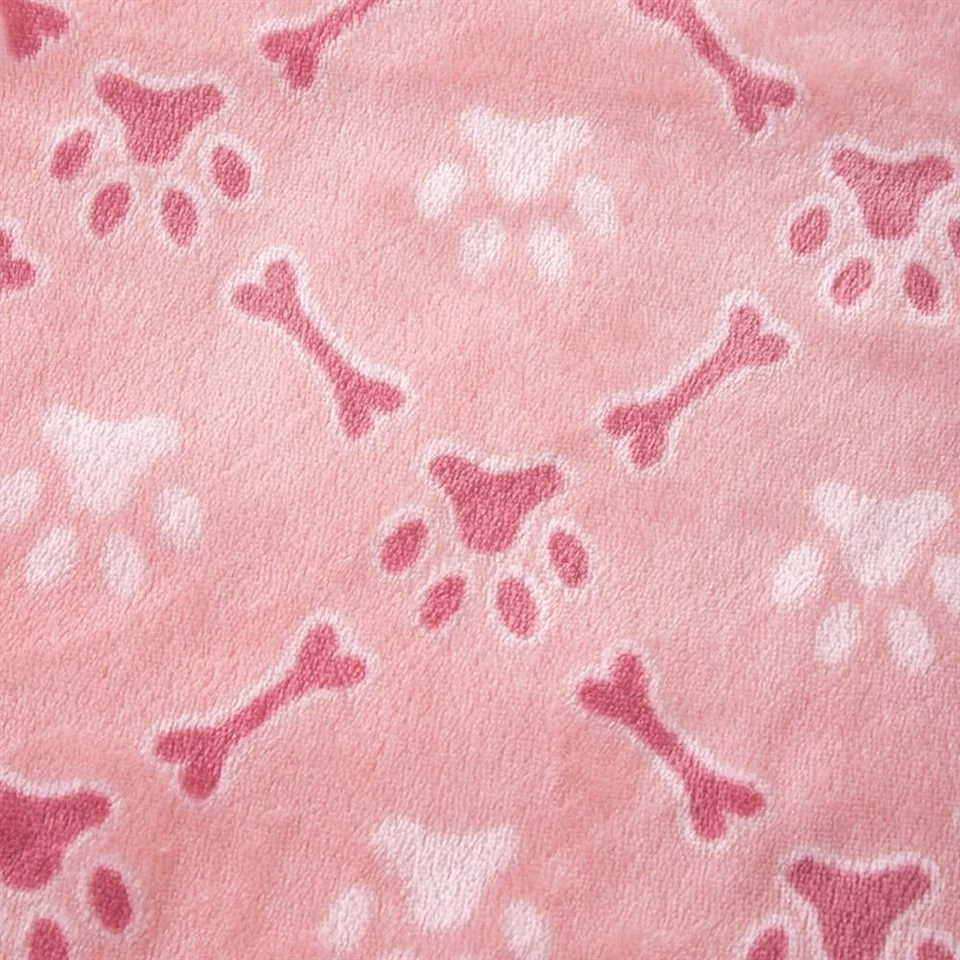
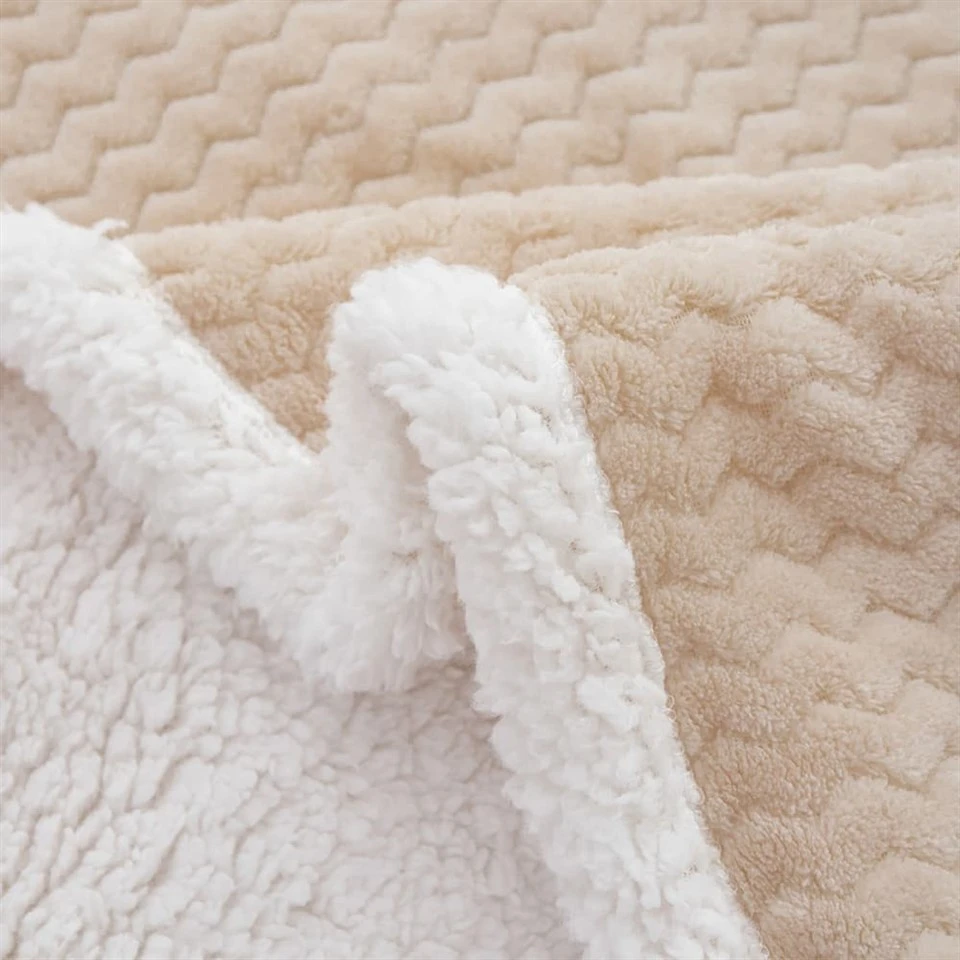
As a supplier of double layer blankets, I understand that stains on these cozy and practical items can be a real headache. Double layer blankets, whether they are Solid Color Flannel Blanket, Flannel Print Blanket, or Jacquard Double Layer Blanket, are often used for their warmth and comfort, but they are also prone to getting dirty. In this blog post, I will share some effective methods to remove stains from double layer blankets.
Understanding the Types of Stains
Before you start the stain - removal process, it's crucial to identify the type of stain on your double layer blanket. Different stains require different treatment methods.
Food and Beverage Stains
Food and beverage stains are common. Coffee, tea, juice, and food spills can leave unsightly marks on the blanket. These stains are usually organic and can be broken down by enzymes in detergents or natural cleaning agents.
Oil and Grease Stains
Oil and grease stains come from cooking oils, body oils, or other greasy substances. They are hydrophobic, which means they repel water. Removing them requires a degreaser or a cleaning agent that can break down the oil molecules.
Ink and Dye Stains
Ink and dye stains can be particularly stubborn. They are often made up of synthetic pigments that bond strongly to the fabric fibers. Specialized ink - removing products or natural solvents may be needed to tackle these stains.
General Tips Before Stain Removal
- Check the Care Label: Always read the care label on your double layer blanket. It will provide important information about the fabric type and the recommended cleaning method. Some blankets may be machine - washable, while others may require dry - cleaning.
- Test a Small Area: Before applying any cleaning solution to the entire stain, test it on a small, inconspicuous area of the blanket. This will help you ensure that the solution does not damage or discolor the fabric.
- Act Quickly: The sooner you treat a stain, the easier it will be to remove. Fresh stains are generally more responsive to cleaning methods than old, set - in stains.
Stain Removal Methods for Different Types of Stains
Removing Food and Beverage Stains
- Blot the Stain: As soon as the spill occurs, use a clean cloth or paper towel to blot up as much of the liquid as possible. Avoid rubbing, as this can spread the stain further into the fabric.
- Prepare a Cleaning Solution: Mix a small amount of mild dish soap or laundry detergent with warm water. Dip a clean cloth into the solution and gently dab the stain.
- Rinse: After dabbing the stain, rinse the area with clean water. Continue blotting with a dry cloth until the water runs clear.
- Air - Dry: Let the blanket air - dry. Avoid using a dryer until you are sure the stain is completely removed, as heat can set the stain.
Removing Oil and Grease Stains
- Absorb the Excess Oil: Sprinkle a generous amount of cornstarch, baking soda, or talcum powder on the stain. Let it sit for at least 15 - 30 minutes to absorb the oil. Then, brush off the powder with a soft brush.
- Apply a Degreaser: You can use a commercial degreaser or make a homemade solution by mixing equal parts of white vinegar and water. Apply the solution to the stain and let it sit for 10 - 15 minutes.
- Wash the Blanket: If the care label allows, wash the blanket in the washing machine using a heavy - duty laundry detergent. Use the warmest water setting recommended for the fabric.
- Check for Residual Stains: After washing, check if the stain is completely gone. If not, repeat the process.
Removing Ink and Dye Stains
- Use Rubbing Alcohol: Moisten a clean cloth with rubbing alcohol. Gently blot the stain, starting from the outer edge and working your way in. Be careful not to spread the ink further.
- Try Lemon Juice: Lemon juice can also be effective for removing ink and dye stains. Apply fresh lemon juice to the stain and let it sit in the sun for a few hours. The acid in the lemon juice can help break down the pigments.
- Wash the Blanket: After treating the stain, wash the blanket as usual to remove any remaining cleaning solution and ink residue.
Special Considerations for Different Blanket Materials
- Flannel Blankets: Flannel is a soft, fuzzy fabric. When cleaning flannel double layer blankets, use a gentle cycle in the washing machine to prevent the fabric from pilling. Avoid using fabric softeners, as they can reduce the absorbency of the flannel.
- Jacquard Blankets: Jacquard blankets often have intricate patterns and may be made of a variety of fibers. Check the care label carefully. If the blanket is dry - clean only, take it to a professional cleaner. If it can be machine - washed, use a delicate cycle and a mild detergent.
Preventing Stains on Double Layer Blankets
- Use a Protective Cover: Consider using a removable blanket cover. This can be easily washed when it gets dirty, protecting the underlying blanket.
- Establish Rules: If the blanket is used in a shared space, establish rules to prevent spills and stains. For example, no eating or drinking on the blanket.
- Regular Cleaning: Even if there are no visible stains, it's a good idea to wash your double layer blanket regularly to keep it clean and fresh.
In conclusion, removing stains from double layer blankets requires a combination of understanding the type of stain, using the right cleaning methods, and considering the blanket's material. By following the tips and methods outlined in this blog post, you can keep your double layer blankets looking clean and beautiful for a long time.
If you are interested in purchasing high - quality double layer blankets, including Solid Color Flannel Blanket, Flannel Print Blanket, and Jacquard Double Layer Blanket, don't hesitate to contact us for procurement and negotiation. We are committed to providing you with the best products and services.
References
- "Textile Care and Cleaning Handbook"
- "Home Textile Stain Removal Guide"