

When it comes to staying warm and cozy during those cold nights, a layer blanket might just be the game-changer you need. As a layer blanket supplier, I've had customers ask me tons of times, "Do layer blankets have a good heat retention?" Well, let's dive into the science and practical aspects to find out.
How Does Heat Retention Work?
Before we talk specifically about layer blankets, it's important to understand the basics of heat retention. Heat retention boils down to insulation. Insulation is all about reducing the transfer of heat. There are three types of heat transfer: conduction, convection, and radiation.
Conduction is when heat moves through a material from a warmer area to a cooler one. Think of it like holding a metal spoon in a hot cup of coffee, and feeling the handle heat up. Convection is the transfer of heat through the movement of fluids (liquids or gases). For example, the warm air rising in a room. Radiation is the emission of heat in the form of electromagnetic waves.
A good insulator slows down or blocks these types of heat transfer. Materials that trap air are usually great insulators because air is a poor conductor of heat. This makes the movement of heat less efficient, which helps keep you warm.
What Makes Layer Blankets Good at Heat Retention?
-
Multiple Layers Trap Air
Layer blankets, as the name suggests, are made up of multiple layers. Each layer creates a barrier that traps air between them. Just like how a down jacket keeps you warm by trapping warm air close to your body, layer blankets do the same. The more layers there are, the more air pockets are formed, and the better the insulation. -
Choice of Materials
The materials used in layer blankets also play a huge role in heat retention. Common materials include flannel, fleece, and other soft fabrics. Flannel, for instance, is made of wool or cotton and has a fuzzy surface that helps trap air. Fleece is a synthetic material known for its excellent insulating properties. It's lightweight but can keep you warm even in cold weather.As a layer blanket supplier, I offer a variety of options, such as the Flannel Fleece Blanket. This type of blanket combines the warmth of flannel with the softness and insulation of fleece, making it a great choice for heat retention.
-
Thickness and Density
Generally, thicker and denser layer blankets tend to have better heat retention. A thicker blanket has more material to block heat transfer, and a denser fabric means there are fewer gaps for heat to escape. However, it's important to find a balance between thickness and comfort. You don't want a blanket that's too heavy and cumbersome to use.
Real - World Applications and Benefits
-
Bed Comfort
Layer blankets are perfect for your bed. They can keep you warm throughout the night, whether you live in a cold climate or you just get cold easily. You can adjust the layers according to the temperature. On milder nights, you might use just one or two layers, while on colder nights, you can add more. -
Outdoor Use
If you're into outdoor activities like camping or picnics in the fall, layer blankets can be a great addition to your gear. They can provide you with warmth when sitting around a campfire or lying on the ground. You can bring a Printed Flannel Blanket that not only keeps you warm but also looks stylish. -
Saving on Heating Costs
Using layer blankets can also help you save on heating costs. By keeping yourself warm with a blanket, you can turn down the thermostat a few degrees. This small adjustment can lead to significant savings on your energy bill over time.
Types of Layer Blankets and Their Heat Retention
-
Flannel Layer Blankets
Flannel is a classic choice for warmth. It's soft, breathable, and has good heat retention. Flannel blankets are often used in the winter months. Our Jacquard Flannel Blanket is a high - quality option that features a beautiful jacquard weave. The weave not only adds a decorative touch but also helps to enhance the blanket's insulation properties. -
Fleece Layer Blankets
Fleece blankets are lightweight and extremely warm. They're quick - drying and easy to care for, which makes them a popular choice. Fleece traps body heat effectively and is great for people who are always on the go. Whether you're using it on the couch or in the car, a fleece layer blanket will keep you cozy. -
Combination Layer Blankets
Some layer blankets combine different materials to get the best of both worlds. For example, a blanket with a flannel top and a fleece bottom can offer the softness of flannel and the insulation of fleece. These combination blankets are designed to provide optimal heat retention and comfort.
Factors That Can Affect Heat Retention
-
Quality of Materials
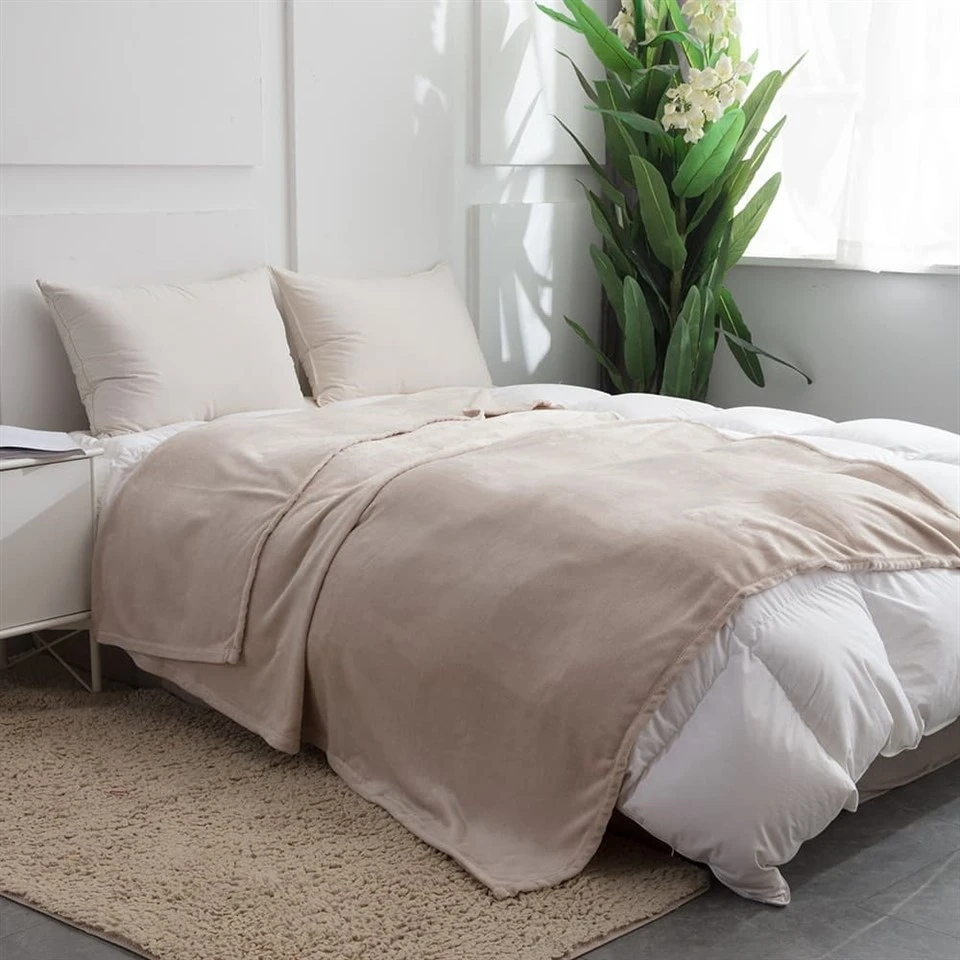
The quality of the materials used in the layer blanket can greatly affect its heat retention. Higher - quality materials are usually better at trapping air and blocking heat transfer. For example, a well - made flannel blanket with a tight weave will be more effective at keeping you warm than a cheaply made one.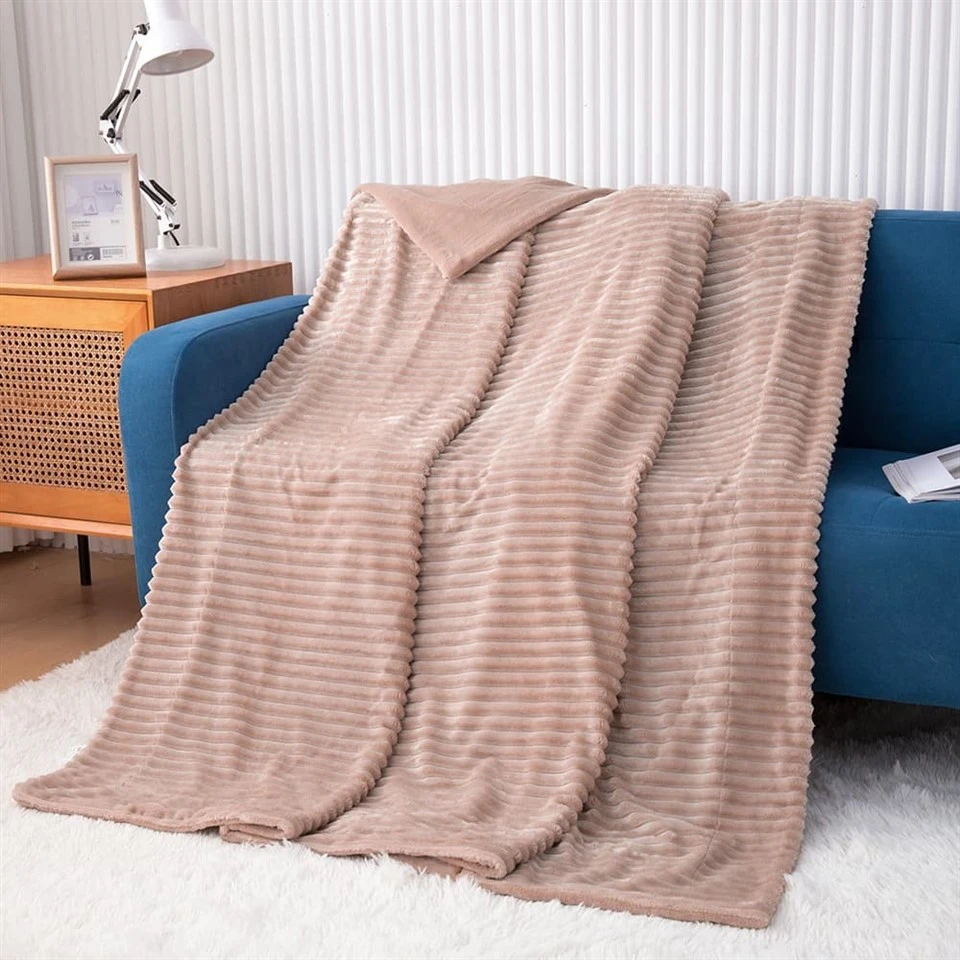
-
Maintenance
How you maintain your layer blanket also matters. If you wash it too harshly or use the wrong detergent, it can damage the fibers and reduce its insulating properties. Always follow the care instructions on the label to ensure your blanket stays in good condition and retains its heat - trapping abilities. -
Usage Conditions
The environment in which you use the layer blanket can impact its heat retention. If the blanket is exposed to wind or dampness, it may not be as effective at keeping you warm. For example, using a layer blanket outside on a windy day might require additional protection to prevent heat loss.
Conclusion and Call to Action
In conclusion, layer blankets generally have excellent heat retention due to their multiple layers, choice of materials, and design. Whether you're looking for a warm blanket for your bed, for outdoor activities, or to save on heating costs, a layer blanket is a great option.
As a layer blanket supplier, I offer a wide range of high - quality layer blankets to meet your needs. If you're interested in purchasing layer blankets, whether it's for personal use or for your business, I'd love to discuss your requirements. Contact me, and we can start a conversation about the perfect layer blankets for you.
References
- "Thermal Insulation: Principles and Applications" by John A. Howell, M. P. Menguc
- Textile Science and Technology textbooks for information on fabric properties and insulation.